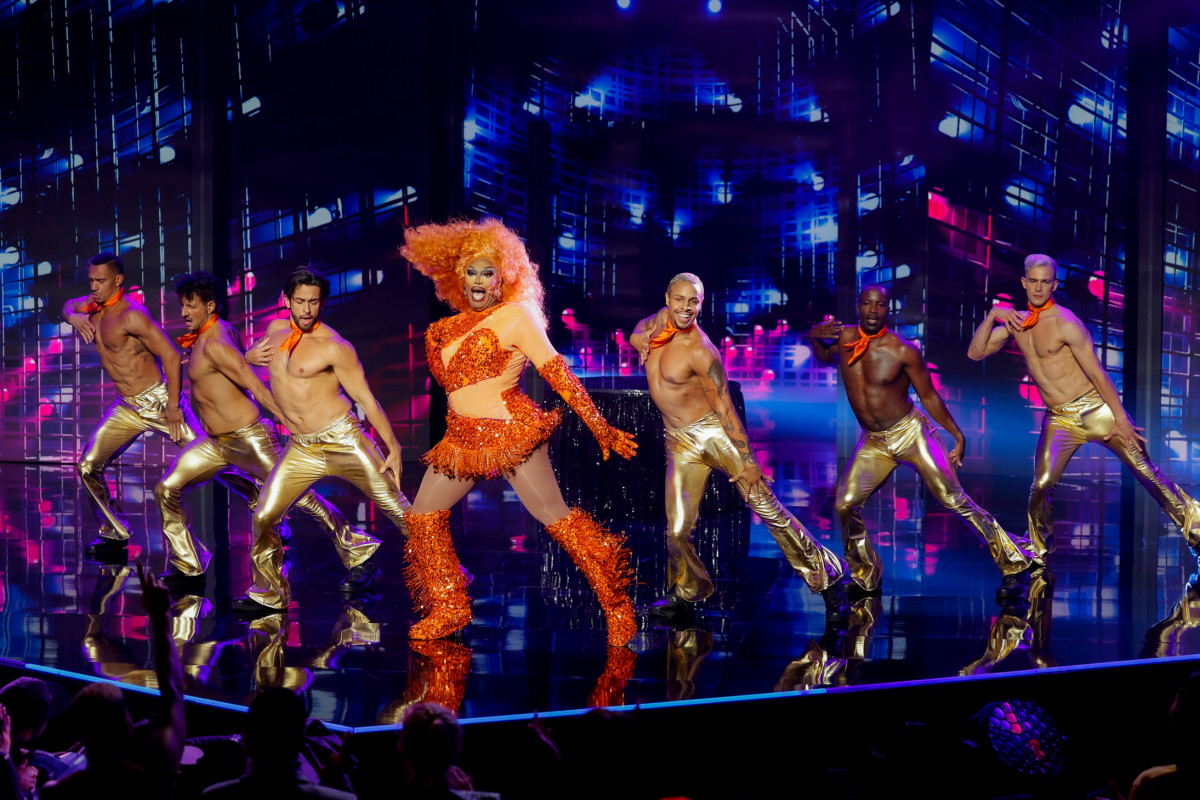
America’s Next Drag Superstar XVI is crowned!

From a theatre troupe in a maximum-security prison to hot bisexuals sweating it out on the tennis court, spring and summer have plenty of queer cinematic fare to offer

LGBTQ2S+ representation in the Canadian screen industries will be the focus of a Pink Paper
Advertisement
How AI image generators fail queer and trans people
The "Cass Review" and its use of AI-generated images highlight some of the key issues with depicting queer and trans people using artificial intelligence

Advertisement
The Latest
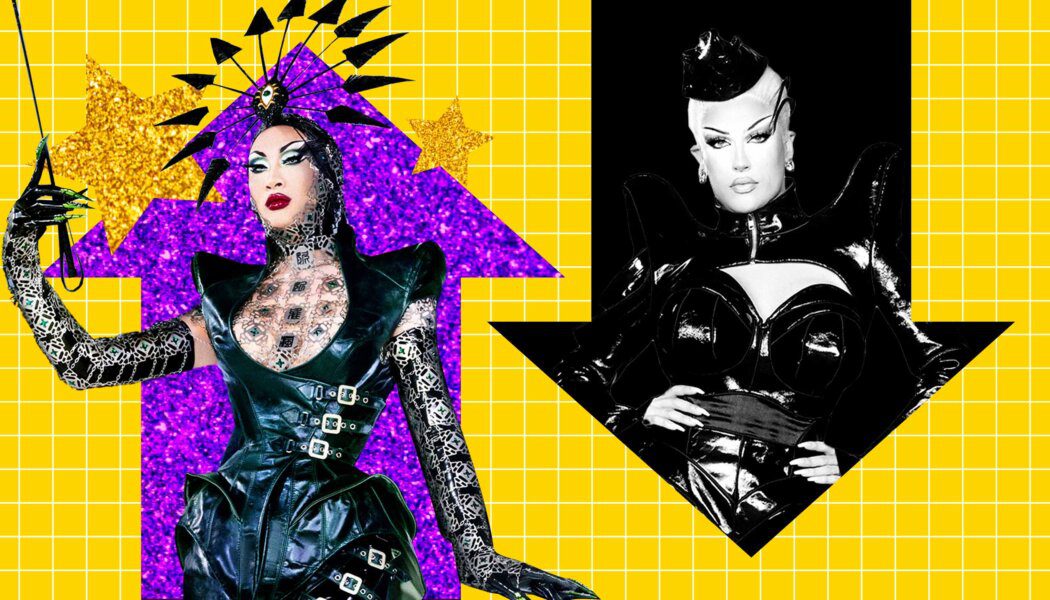
Only one can win, but all three fought hard to make their case for the crown
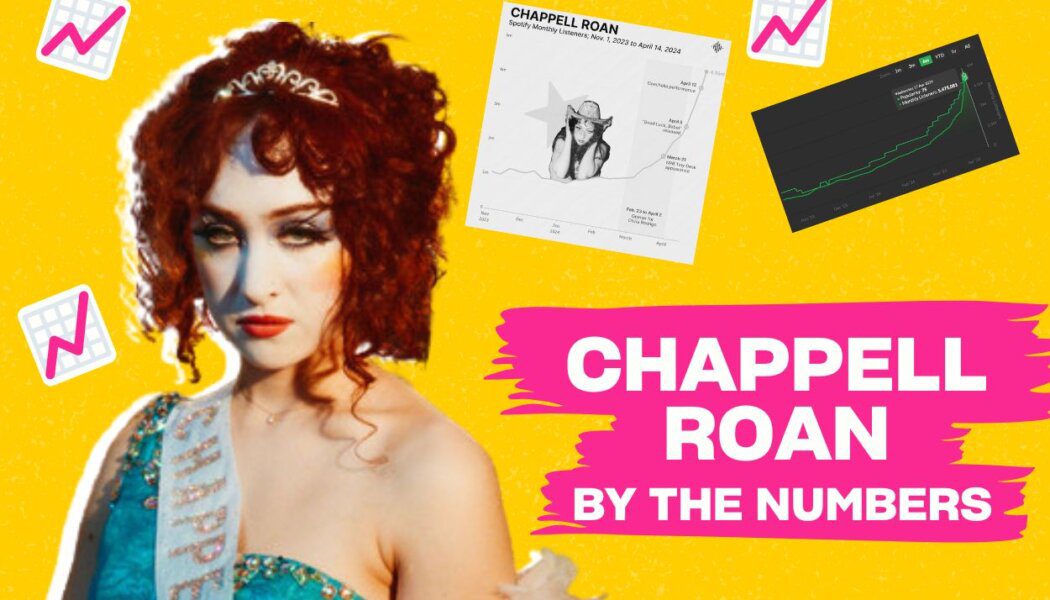
The "Good Luck, Babe!" singer's popularity has exploded in recent months

Leisha Hailey, Kate Moennig, Jennifer Beals and original series creator Ilene Chaiken gave fans a super queer throwback
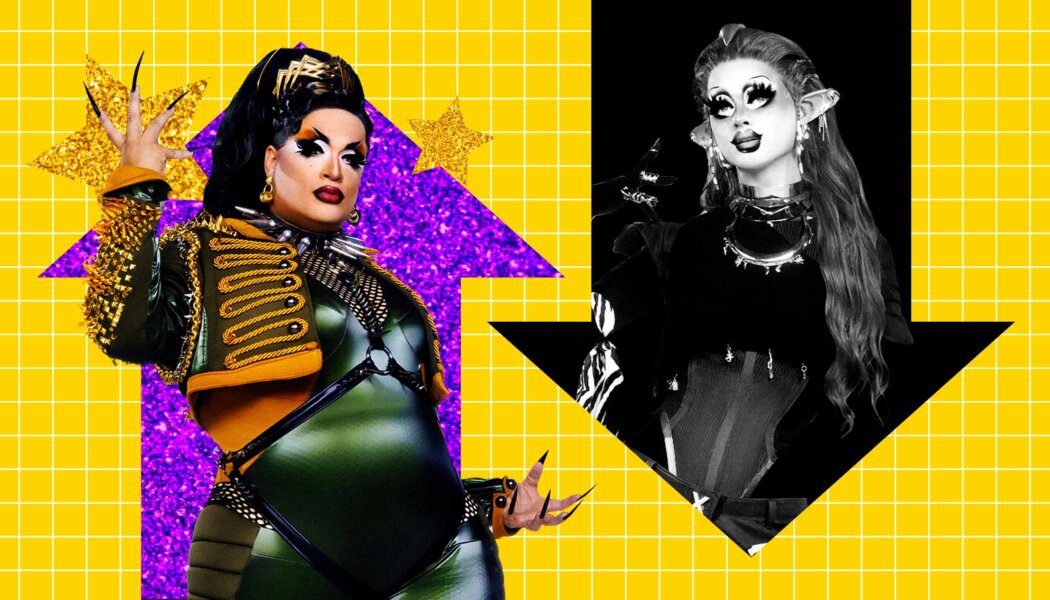
Who is the champion of this season’s LaLaPaRuZa tournament?
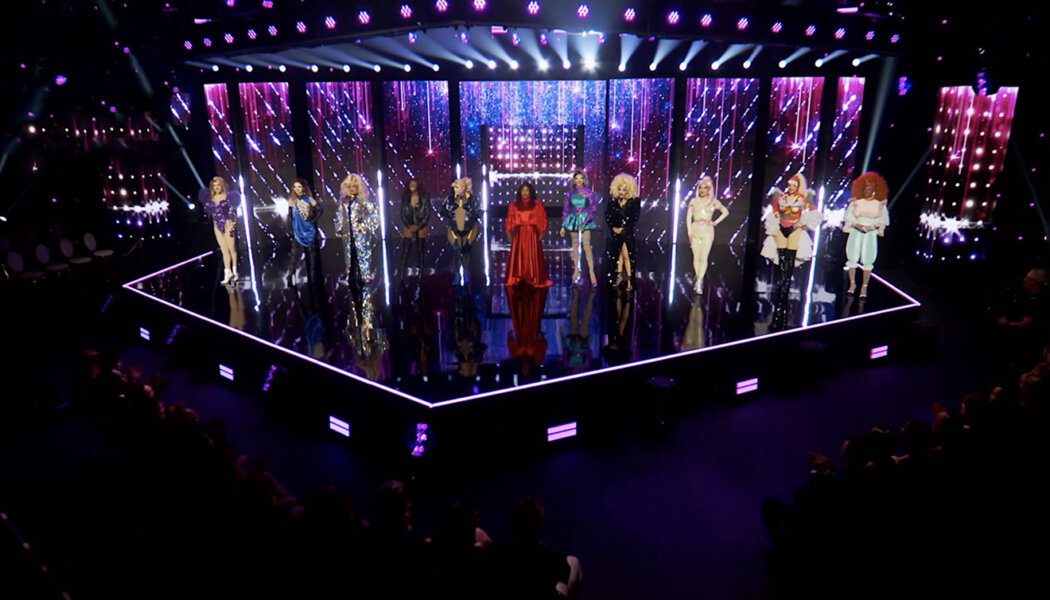
Our eliminated queens are back to battle it out in a lip sync tournament
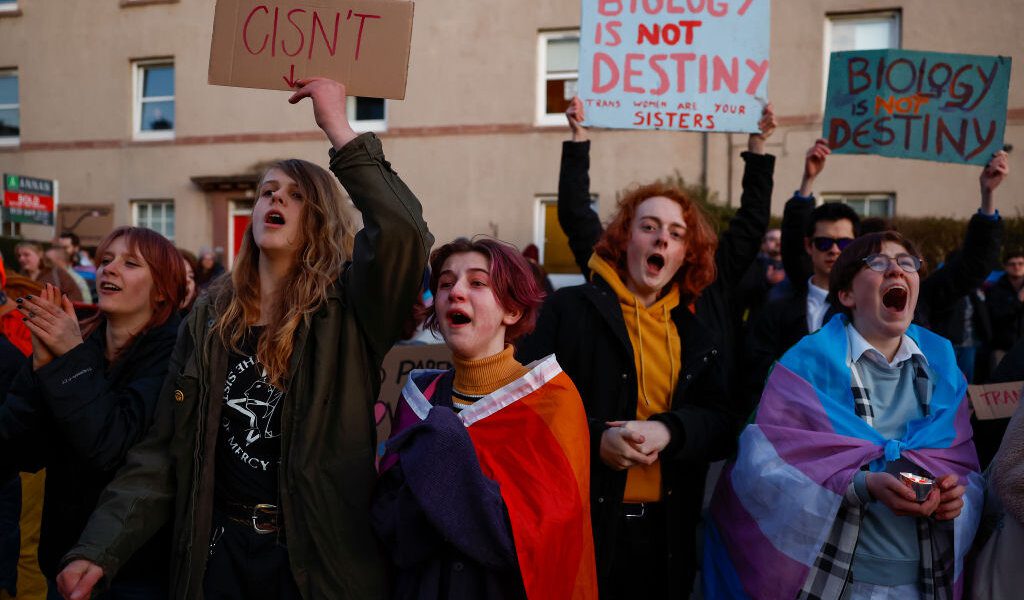
ANALYSIS: A new report is setting the stage for the future of trans healthcare in the U.K.—and it could spell bad news
Advertisement