Wednesday, December 21, 2011

A queer Seoul occupation

BY NATASHA BARSOTTI - Fifty-four said yea, 28 said nay, and four decided not to commit.

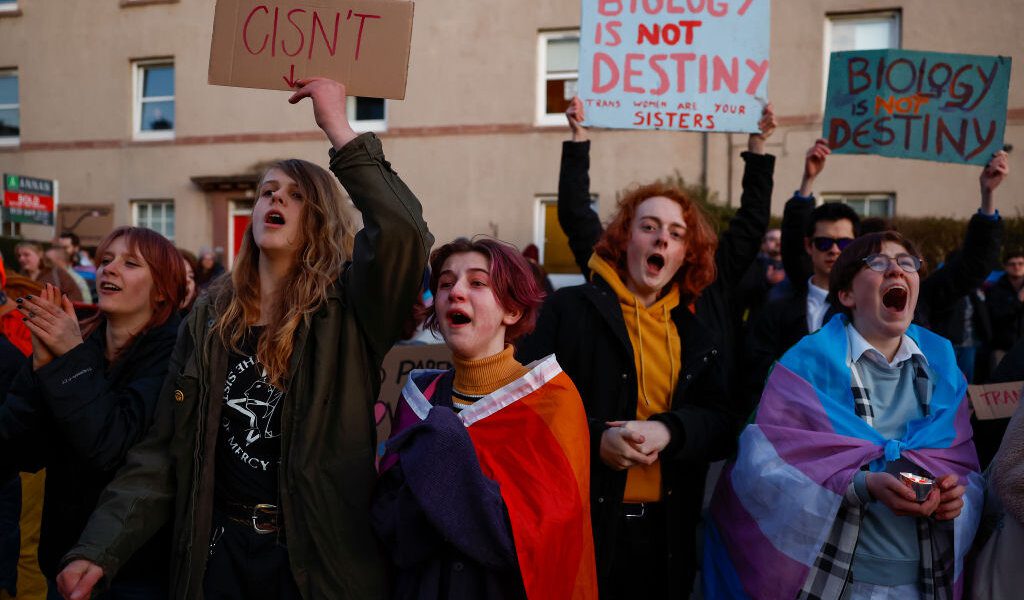
After six days of protest and armed with 97,000-plus signatures, queers in Seoul, South Korea, got the result they were hoping for: the Seoul Municipal Council's passage of a Students Rights Ordinance with all clauses intact, including ones that affect the well-being of queer students.

Articles 6, 13, 20 and 28 speak to issues of freedom of privacy, non-discrimination, and the right for students to access resources -- financial and otherwise -- regardless of their sexual orientation and gender identity.

It was the queer-specific clauses that bent the council out of shape, particularly a few conservative folks on the council's education committee who singled out sexual orientation and gender identity for exclusion from the draft bill.

In an interview with Grace Poore posted on the New Civil Rights Movement site prior to the final vote, Jihye Kim, of Common Action for Sexual Minority Students in Seoul, said, "The significance of the Seoul Students Rights Ordinance cannot be overemphasized. Seoul is not just the capital of Korea but also the centre of everything in my country. A negative outcome now would send a dangerous message to schools in the rest of the country. And it would further delay the possibility of a national anti-discrimination law that would protect LGBT people."

Kim's reaction after the vote: "We fought and we won. We debated and we taught people. So many of you participated in and passed along the petition and sent us support statements. The whole process was more educational than just political."

That South Korean queers have a well-positioned ally in the person of UN Secretary General Ban Ki-Moon has been helpful. Poore notes a Dec 8 statement Ban Ki-Moon made to a UN panel called Ending Bullying on the Basis of Sexual Orientation and Gender Identity, where he expressed concern over the bullying and violence that young people confront because of their presumed sexual orientation or gender identity.

"But the roots go deeper," Ban Ki-Moon added. "They lie in prevailing harmful attitudes in society at large, sometimes encouraged by divisive public figures and discriminatory laws and practices sanctioned by state authorities."


Bookmark and Share  


Comments are closed

Powered by BlogEngine.NET 1.4.0.0

The Roundup

Xtra.ca's Roundup
blog is your source
for news and
analysis that has
queer people
talking.

The Roundup is
written by Xtra's
staff reporters:

Rob Salerno
rob.salerno@xtra.ca

Andrea Houston
andrea.houston@xtra.ca

Natasha Barsotti
natasha.barsotti@xtra.ca

and

Adam Glen
Editorial Intern


Log in
Feed Subscribe